Digital Tools for Stress Management
In today’s fast-paced world, stress has become a common experience for many individuals. Fortunately, digital tools have emerged as effective allies in managing stress. These tools leverage technology to provide accessible resources and support, helping users navigate their stressors more effectively. From mobile applications to online therapy platforms, the digital landscape offers a variety of options to cater to individual needs.
Digital Tools Overview, Digital tools for stress management
Digital tools refer to software applications, platforms, and devices that assist in various activities, including stress management. Their relevance is particularly significant as they provide immediate and easily accessible strategies for coping with stress. The variety of digital tools available today includes mobile applications, online therapy platforms, mindfulness resources, wearable devices, and virtual support communities. The integration of technology into stress relief techniques has transformed how individuals approach their mental well-being, making it more convenient to access support and resources anytime, anywhere.
Mobile Applications for Stress Management
Numerous mobile apps have been developed specifically for stress relief, offering a range of features designed to help users manage their stress effectively. Some popular examples include:
- Headspace: An app focused on meditation and mindfulness to reduce stress.
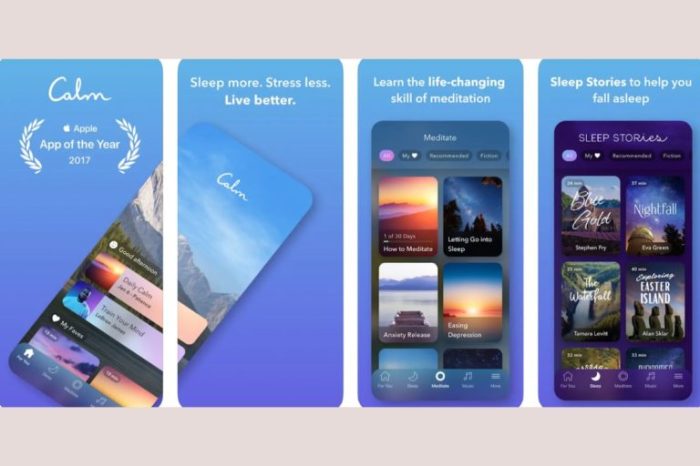
- Calm: Offers guided meditation, sleep stories, and breathing exercises.
- MyLife: Includes activities like mood tracking and tailored suggestions for stress relief.
The effectiveness of these applications can be attributed to their user-friendly interfaces and personalized approaches. For example, many apps feature guided meditation sessions, progress tracking, and reminders to encourage healthy habits. Below is a comparison table of top-rated stress management apps highlighting their key features:
| App Name | Key Features | Cost |
|---|---|---|
| Headspace | Meditation, sleep sounds, and courses | Free with premium options |
| Calm | Guided meditations, sleep stories, and music | Free with subscription |
| MyLife | Mood tracking and personalized recommendations | Free with in-app purchases |
Online Therapy Platforms
Online therapy platforms have revolutionized stress management by providing convenient access to mental health professionals. These platforms operate through video, phone, or chat sessions, allowing users to connect with therapists from the comfort of their homes. One of the primary benefits of online therapy is its flexibility; individuals can schedule appointments that fit their lifestyles without the need for travel.
Statistics indicate that online therapy can be equally effective as traditional therapy, with studies showing that 75% of individuals experience significant improvements in their mental health after participating in online therapy. The anonymity and reduced stigma associated with seeking help online also contribute to higher engagement rates among users.
Mindfulness and Meditation Tools
Digital resources for mindfulness and meditation practices have gained popularity as effective mechanisms for stress reduction. Platforms like Insight Timer and Simple Habit offer a wealth of guided meditations and mindfulness exercises tailored to various needs.
To use these tools effectively, individuals can:
- Set aside dedicated time daily for mindfulness practice.
- Choose guided sessions that resonate with personal experiences.
- Utilize reminders to encourage consistent practice.
Research shows that engaging in guided meditation sessions can significantly lower stress levels, promoting relaxation and enhancing overall emotional well-being.
Wearable Technology for Stress Monitoring
Wearable devices have become essential in tracking stress levels and overall health. Devices such as fitness trackers and smartwatches monitor physiological metrics like heart rate variability and sleep patterns, which can signal stress responses. Understanding these health metrics is crucial for individuals striving to manage their stress effectively.
The following table compares features of popular stress-monitoring wearables:
| Device Name | Key Features | Price Range |
|---|---|---|
| Fitbit Charge 5 | Heart rate monitoring, sleep tracking, stress management tools | Approximately $149 |
| Apple Watch Series 8 | ECG app, mindfulness features, sleep tracking | Starting at $399 |
| Garmin Vivosmart 4 | Body battery, stress tracking, sleep monitoring | Approximately $99 |
Virtual Support Groups
Virtual support groups offer a sense of community and shared experience, which can be invaluable for individuals dealing with stress. These groups provide a platform for participants to share their stories, strategies, and emotional support. The advantages of joining online communities include:
- Access to diverse perspectives on managing stress.
- A sense of belonging and connection with others facing similar challenges.
- Opportunities for social interaction that can alleviate feelings of isolation.
Platforms like Reddit and Facebook host various support groups that focus on stress management and mental health discussions.
Educational Resources
Online courses and webinars focusing on stress management techniques are widely available, providing individuals with valuable knowledge and skills. These resources cover a range of topics, including coping strategies, mindfulness practices, and cognitive-behavioral techniques.
Types of content available in these educational resources include:
- Interactive courses with video lectures and assignments.
- Webinars led by mental health professionals.
- Downloadable materials and resources for further learning.
Reputable sources for learning about stress management include organizations like the American Psychological Association and the Anxiety and Depression Association of America.
Future Trends in Digital Stress Management Tools
As technology continues to evolve, emerging trends in digital stress management tools are anticipated to further enhance users’ experiences. Innovations in artificial intelligence may lead to more personalized app experiences, adapting to individual needs based on data collected over time. Additionally, advancements in wearable technology could introduce new features for real-time stress monitoring and feedback.
Examples of innovative stress management solutions on the horizon include immersive virtual reality experiences for relaxation and advanced analytics that provide personalized insights into stress patterns. These developments promise to make stress management even more effective and accessible for individuals seeking relief in a digital age.