Introduction to Remote Blood Pressure Monitoring Services
Remote blood pressure monitoring services are innovative healthcare solutions that enable patients to track their blood pressure from home, utilizing digital devices that transmit data to healthcare providers in real-time. This approach is significant in the healthcare landscape, as it allows for continuous monitoring of patients’ cardiovascular health without requiring them to visit a clinic. The evolution of blood pressure monitoring technology has been remarkable, transitioning from cumbersome, manual sphygmomanometers to sleek, user-friendly digital devices that can automatically log and transmit readings via wireless networks.
Benefits of Remote Blood Pressure Monitoring, Remote blood pressure monitoring services
The adoption of remote blood pressure monitoring offers a myriad of advantages for both patients and healthcare providers. For patients, the primary benefits include:
- Increased convenience by allowing patients to measure their blood pressure at home, reducing the need for frequent doctor visits.
- Enhanced accuracy in blood pressure readings, as patients can monitor their condition more consistently over time.
- Greater engagement in their own health management, empowering them to make informed decisions and lifestyle changes based on their readings.
Healthcare providers also benefit significantly from these services. They can:
- Receive real-time data that allows for timely interventions, potentially preventing complications.
- Improve patient compliance with monitoring plans, as patients are more likely to adhere to regimens that they can manage conveniently.
- Aggregate data to identify trends and tailor treatments, enhancing disease management strategies.
The overall impact on patient outcomes is profound, particularly in chronic disease management, where consistent monitoring is crucial for optimal care.
Technology and Tools Used in Remote Monitoring
Remote blood pressure monitoring relies on a variety of sophisticated devices that facilitate accurate measurement and transmission of data. Commonly used devices include:
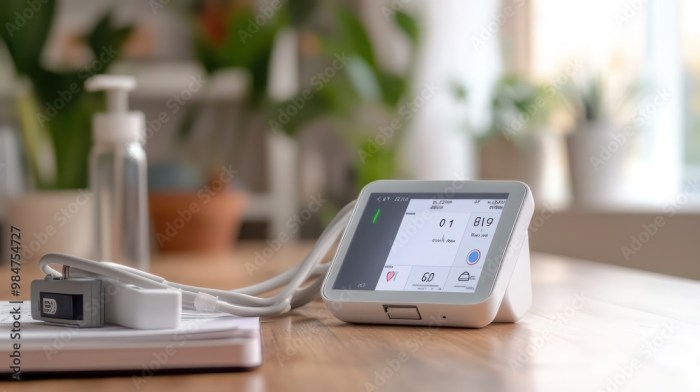
- Automated digital blood pressure monitors that provide accurate readings with minimal user intervention.
- Wearable devices that can track blood pressure alongside other health metrics, such as heart rate.
- Smartphone apps that allow users to input readings manually while also providing educational resources.
Data from these devices is typically transmitted to healthcare providers via secure internet connections, utilizing cloud-based platforms or dedicated software that ensures data integrity and security. Examples of such platforms include telehealth solutions that integrate monitoring functions within electronic health record systems.
Implementation of Remote Blood Pressure Monitoring Services
Setting up remote blood pressure monitoring services involves a systematic approach tailored to meet the needs of both healthcare providers and patients. The implementation process typically includes:
- Assessment of the healthcare provider’s existing infrastructure to determine compatibility with remote monitoring technologies.
- Selection of appropriate devices and software that align with patient needs and provider capabilities.
- Training sessions for healthcare professionals to familiarize them with the technology and data interpretation.
- Patient education initiatives to ensure users are comfortable with the devices and understand how to report their readings.
Integrating remote monitoring into existing healthcare systems requires careful planning to address workflow modifications and ensure seamless communication between patients and providers.
Challenges and Solutions in Remote Monitoring
Despite its benefits, several challenges can arise with remote blood pressure monitoring. Common issues faced by patients include:
- Technological barriers, such as difficulties with device setup or connectivity issues.
- Variability in measurement techniques, leading to inconsistencies in readings if not properly guided.
Healthcare providers may also encounter obstacles, including:
- Resistance to adopting new technologies among staff who are accustomed to traditional monitoring methods.
- Concerns about data security and the management of sensitive patient information.
Effective solutions to these challenges involve comprehensive training, user-friendly devices, and robust cybersecurity measures that safeguard patient data while promoting confidence in remote monitoring practices.
Regulatory and Compliance Considerations
Remote blood pressure monitoring services are subject to various legal requirements that ensure patient safety and data privacy. Key considerations include:
- Compliance with regulations such as HIPAA in the United States, which mandates the protection of personal health information.
- Adherence to standards set by organizations like the FDA, which regulates medical devices and software used in healthcare.
The importance of patient data privacy cannot be overstated; healthcare providers must implement best practices that secure patient information from unauthorized access while ensuring compliance with relevant standards.
Case Studies and Success Stories
There are numerous examples of successful remote blood pressure monitoring implementations that highlight significant improvements in patient care. For instance, a hospital system that adopted remote monitoring observed a 30% reduction in hospital readmissions for patients with hypertension. Another case study showcased a primary care clinic that utilized remote monitoring to enable better chronic disease management, resulting in improved patient satisfaction scores and enhanced health outcomes. These success stories emphasize the effectiveness of remote monitoring in improving health metrics and patient engagement.
Future Trends in Remote Blood Pressure Monitoring
As technology continues to advance, several trends are emerging in the realm of remote blood pressure monitoring. Potential developments include:
- The integration of artificial intelligence to analyze blood pressure trends and provide predictive insights for healthcare providers.
- Increased interoperability between monitoring devices and electronic health systems to streamline data sharing.
However, challenges such as ensuring consistent technology updates and addressing disparities in access to digital health tools must be navigated. The role of telemedicine is expected to grow, offering a platform for remote consultations and enhanced monitoring capabilities, ultimately transforming the landscape of blood pressure management.